Rediscovering Our Roots: The Spiritual and Natural Wisdom of Aya Leaves
Discover the spiritual and cultural significance of Aya leaves in African tradition. Learn how our ancestors used natural wisdom for protection, prosperity, and guidance.
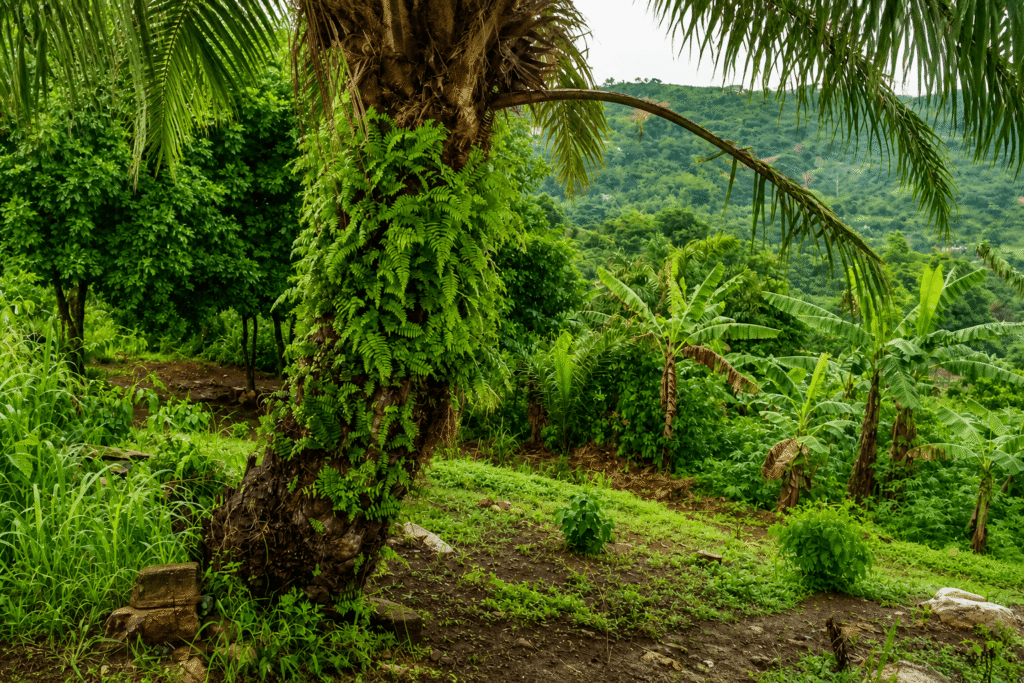
Before the wave of modernization and the widespread adoption of foreign doctrines, our forefathers lived in harmony with nature. They understood the profound wisdom embedded in plants, trees, and natural elements — wisdom that was not just medicinal, but deeply spiritual. One striking example of this knowledge is the use of Aya leaves, a plant that grows alongside palm trees in West Africa, especially Ghana.
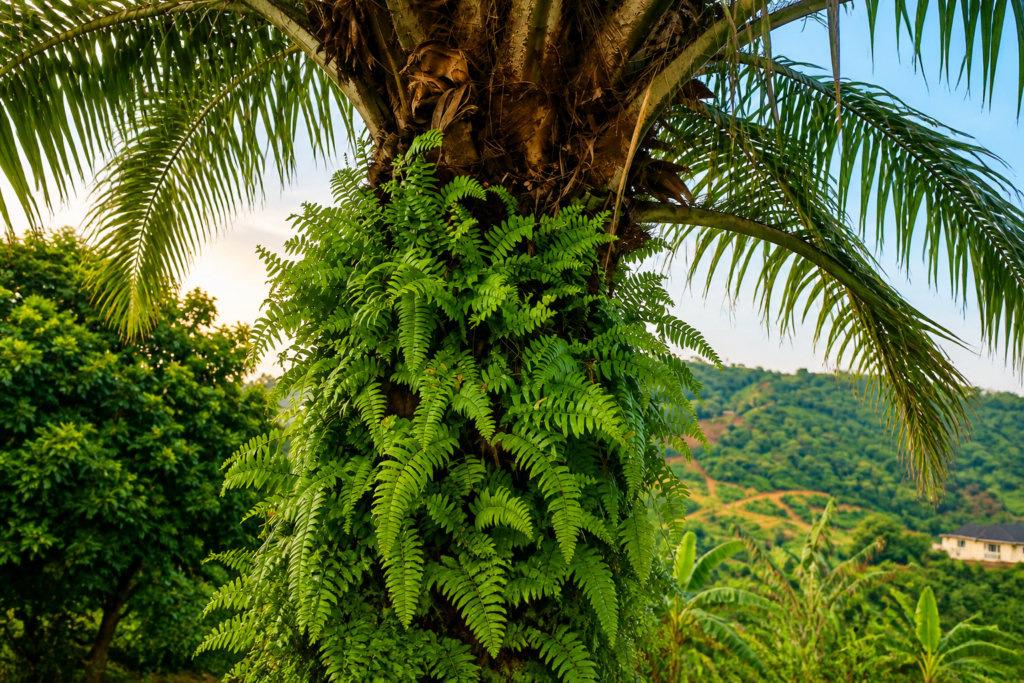
Aya leaves, often referred to as the “wife of the palm tree,” hold a remarkable place in traditional African practices. From spiritual protection and dream enhancement to rituals for prosperity, Aya leaves illustrate the deep connection our ancestors had with the natural world. Yet, over time, this knowledge has been misunderstood, misrepresented, and even demonized. Many now see these practices as idol worship, ignoring that the true source of this wisdom is God — the Creator who placed divine knowledge in nature for our benefit.
Aya Leaves: Nature’s Spiritual Tool
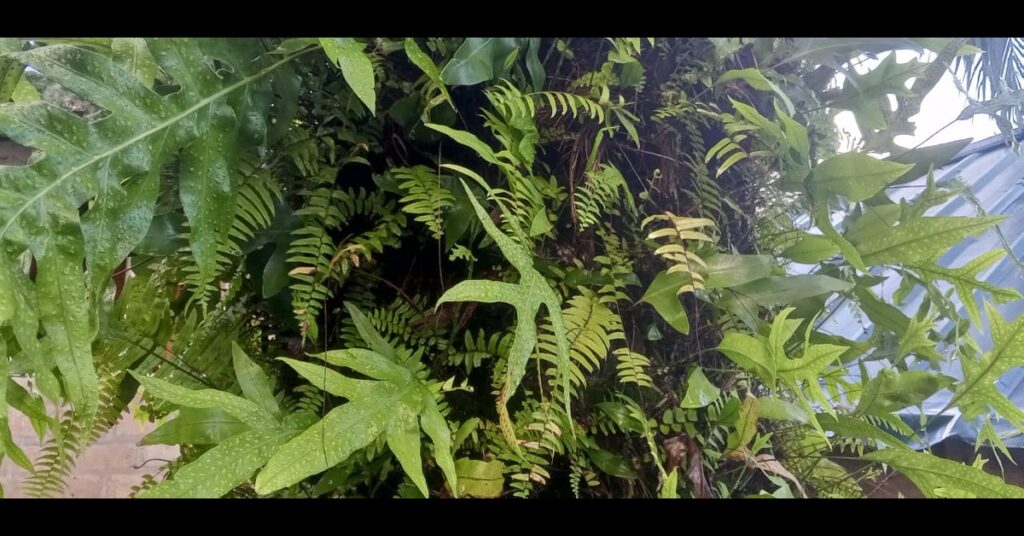
Aya leaves are ferns that naturally grow at the base or trunk of palm trees. Unlike the palm fronds themselves, these leaves are delicate and feathery, thriving in the shaded, nutrient-rich microenvironment the palm provides. In traditional West African belief, the relationship between the Aya fern and the palm tree is symbolic — the palm is the “husband,” tall, strong, and central, while the Aya is the “wife,” gentle, nurturing, and protective. This relationship represents balance, harmony, and resilience, concepts our ancestors revered and celebrated.
Aya leaves were not just symbolic. They were used in practical and spiritual applications:
- Prosperity Rituals: By soaking 21 Aya leaves for 21 days and bathing with the water for 7 consecutive days, our ancestors believed one could attract financial abundance and prosperity. The numbers 21 and 7 are significant, symbolizing completeness and spiritual fullness, illustrating that these practices were thoughtful and intentional.
- Protective Charms: Aya leaves, combined with items like black seeds, basil, dried cloves, coins, or even feathers, were crafted into small pouches for protection, luck, and harmony. Carried on the person or placed in the home, these charms were believed to shield individuals from negativity, danger, and misfortune.
- Dream Guidance: Placing three Aya leaves under the pillow was a simple yet powerful practice for dream remembrance. It allowed people to connect with spiritual guidance and interpret their dreams for insights into daily life and decision-making.
The Divine Source of African Natural Wisdom
One crucial aspect often overlooked is that this knowledge was given by God. Long before formalized medicine or spiritual systems, our forefathers received guidance from nature itself — a divine design meant to connect humans with their environment and with the Creator. Every plant, leaf, and tree was placed here for our benefit. Aya leaves, like many other natural elements, are a testament to God’s wisdom embedded in creation.
However, over the centuries, much of this knowledge has been demonized. Practices rooted in African spiritual traditions have been misrepresented as idol worship or paganism, leading many to abandon them in favor of foreign religious or cultural doctrines. This shift has caused a disconnection from our heritage, and, in many ways, a disconnection from the blessings and protections that God intended for us.
Modernization and Its Negative Effects
While modern advancements have brought technology, convenience, and global connectivity, they have also contributed to spiritual and cultural erosion. Our ancestors’ knowledge, once passed down through observation, oral tradition, and practice, is now ignored or dismissed. Modernization has:
- Devalued natural remedies in favor of synthetic alternatives.
- Disconnected people from spiritual practices rooted in nature, causing an over-reliance on external systems for guidance and protection.
- Erased cultural identity, replacing centuries of wisdom with foreign doctrines that often lack the depth of our traditional understanding.
These changes have subtle and profound consequences. People may have access to material advancements but remain spiritually vulnerable, disconnected, and unaware of the divine blessings that God placed in nature for their benefit.
A Call to Rediscover Our Roots
Reclaiming the knowledge of Aya leaves and other traditional practices is not about idol worship. It’s about reconnecting with God’s design through nature, recognizing the intelligence, energy, and spiritual guidance that He embedded in creation. By revisiting these traditions, Africans can:
- Restore spiritual protection and harmony in their homes.
- Access natural remedies for physical and emotional well-being.
- Reconnect with ancestral wisdom and cultural identity.
- Embrace prosperity, clarity, and abundance in alignment with divine principles.
This is a call to walk back into the wisdom of our ancestors, to honor the knowledge that God gave them and left for us in the natural world. Aya leaves are just one example of a vast spiritual pharmacopeia that has existed for centuries, waiting for revival and understanding.
Internal Linking for Further Learning
For readers who want to delve deeper into the specific practices of Aya leaves, the following articles explore related topics:
- Aya Leaf Prosperity Bath: How to Attract Abundance Naturally – Learn the 21-day ritual that our forefathers used to draw financial blessings.
- Creating Protective Charms with Aya Leaves and Natural Items – A step-by-step guide on crafting spiritual pouches for protection, luck, and harmony.
- Aya Leaves for Dream Guidance: Remembering and Interpreting Dreams – Discover how placing Aya leaves under your pillow can enhance dream clarity and spiritual insight.
These articles provide practical steps and insights, all rooted in the understanding that God placed this knowledge in nature, and by embracing it, we can reclaim the blessings intended for us.
Conclusion
Aya leaves serve as a powerful reminder that African traditions were not idle or superstitious, but carefully crafted spiritual and natural systems designed by God. Modernization may have distanced us from this wisdom, but the path back is clear: reconnect with nature, honor ancestral knowledge, and embrace the blessings God placed within it. By understanding and practicing these natural rituals — from prosperity baths to protective charms and dream enhancement — Africans can rediscover the spiritual and material abundance that is rightfully theirs. Aya leaves, humble as they are, carry centuries of wisdom and divine guidance, waiting for those willing to learn and reconnect with their roots
This article is for educational and cultural purposes only. It does not provide medical, spiritual, or financial advice, and no results are guaranteed.